*Historical* From the height of Victorian success in London’s leather trade to their role as the last private owners of The Grove, the Barrows shaped Carshalton through business, family, and community – including founding the local cricket club and welcoming historian Dr Peatling into their family circle.
This charming photo shows Sir Samuel Barrow and his wife, Lady Florence Mary, celebrating their golden wedding anniversary in 1934. By then, they had long since left The Grove mansion in Carshalton, where they had lived for more than three decades.
Successful businessman
When Samuel Barrow moved into The Grove in 1888, both his personal fortunes and the London leather industry were at their height. As a successful leather manufacturer in Bermondsey, he supplied boots, saddlery, and industrial leather goods during the height of the British Empire.
The business was highly profitable, allowing Barrow to establish himself as an important figure in Carshalton. He built homes, donated land, and contributed to local life in multiple ways – including as a founding member of the Carshalton Cricket Club, which played on land he owned.

A beautiful home
Life at The Grove reflected this prosperity. The house was richly decorated, as seen in images of the 1890 house extension: elegant living rooms, a well-appointed billiard room with portraits and artwork, and gardens accessible through wide doors.


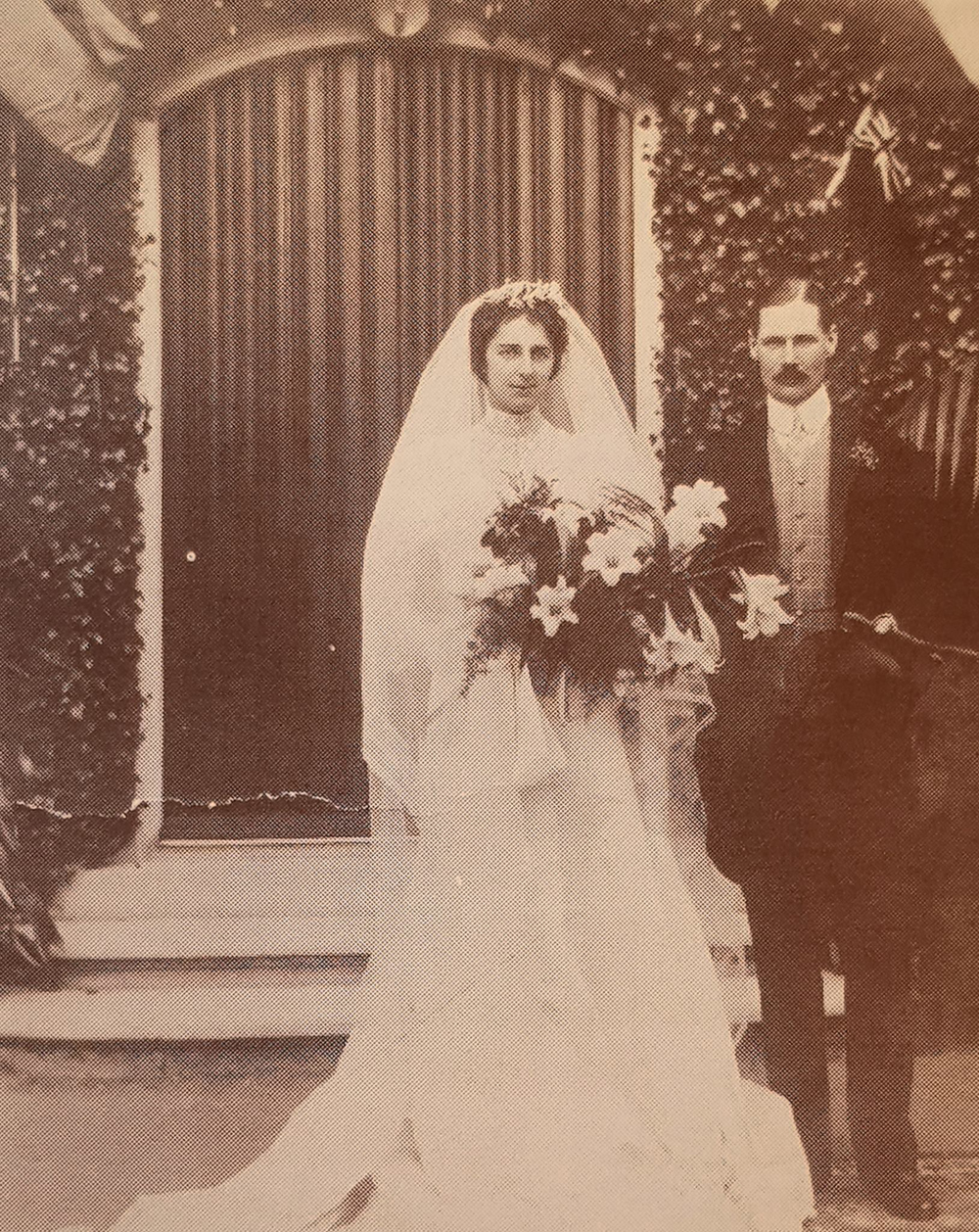
Family life flourished there too – most notably in 1906, when their daughter Muriel married local GP Dr Albert Peatling, a noted local historian and founder of the ‘Carshalton and District History & Archeological Society,’ who was active in numerous community groups.
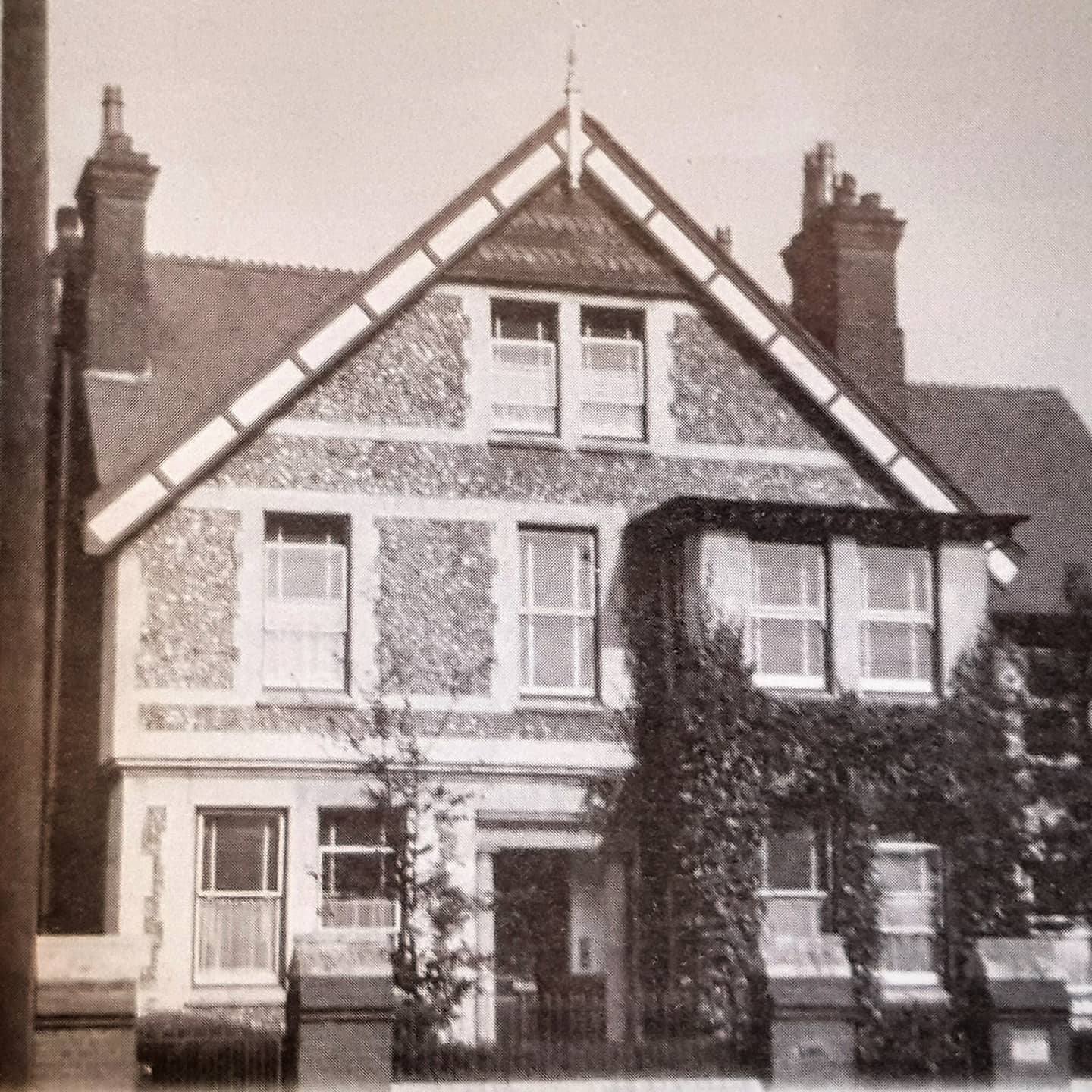
Photographs show the newlyweds posing on the steps of The Grove before moving into nearby Park View on Carshalton High Street, a house that still stands today.

A knighthood received
Sir Samuel’s fortune peaked between 1914 and 1918, during the First World War, when leather production surged. In recognition of his contributions to industry and community, he was knighted in January 1921. However, the postwar period brought significant challenges: falling demand, overcapacity, and rising competition in the leather trade forced many long-established firms, including Barrow’s, into consolidation.
Declining fortunes
By 1920, the family moved out of The Grove, marking the end of their tenure as the last private owners of the estate, which became council property in the mid-1920s. The decline of the industry mirrored the family’s transition from prosperity to a more modest life, yet their legacy in Carshalton – through community involvement, the cricket club, and historic contributions – remained.
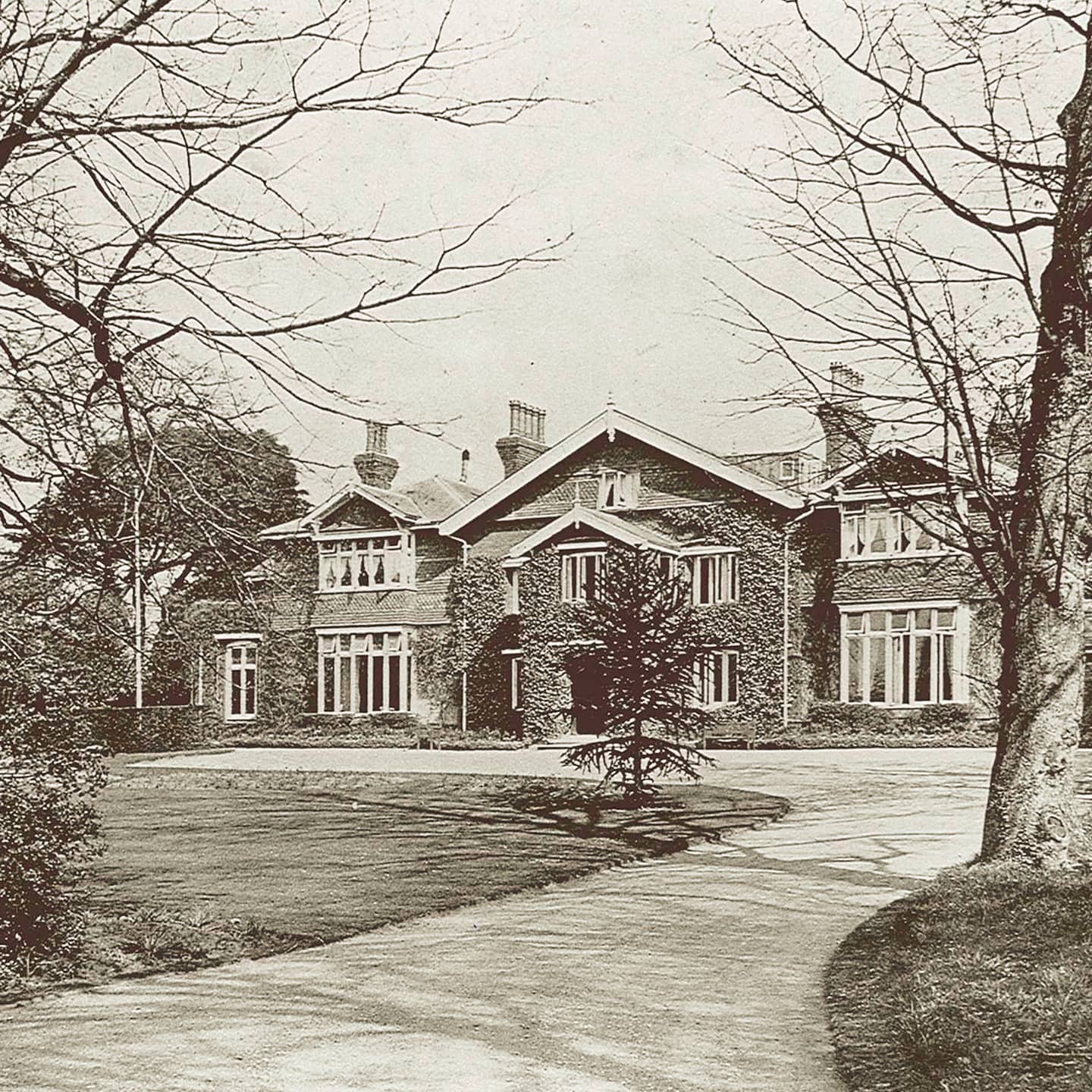
It’s said Sir Samuel Barrow lost a lot of money, though the exact details aren’t clear. After Carshalton it looks as though he moved to a home called Dunsfold, Eyhurst Close in Kingswood. Dunsfold in Surrey being the town where he had grown up.
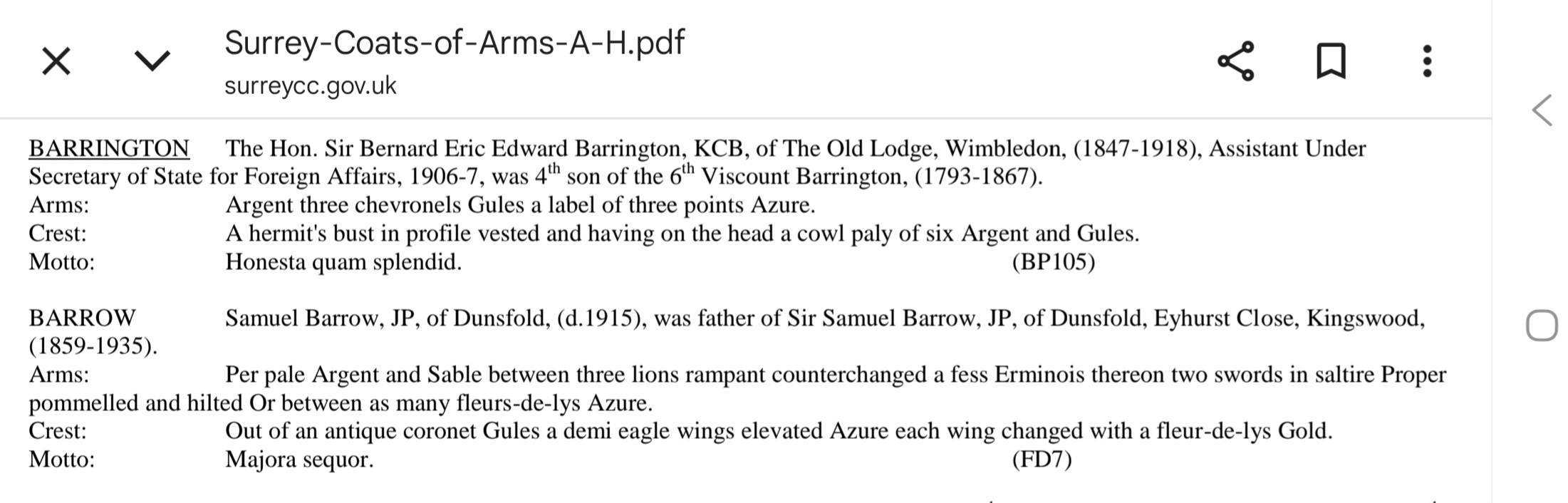
He died in 1935 around the age of 76, about a year after the anniversary photograph was taken. His life at The Grove – from his move in 1888 to the family’s departure in 1920 – reflects both the heights of Victorian and wartime prosperity and the challenges of postwar change in industry and society.
We aim to get facts and key dates correct, but reserve the right to update should new information come to light. Please add your comments below. Old photos source: London Borough of Sutton Museum and Heritage Service, Chris Pocock. www.hamsheregallery.com
The surprising link between Downing Street’s Red Box and a Carshalton mansion