

We investigate the road that leads to nowhere. Through a variety of maps and historical commentary, we inspect the evidence surrounding whether there was ever a railway station on Station Road in Carshalton.
It’s a hot topic of debate amongst locals, and we’ve compiled everything we know as of 2026. Spoiler alert – there was no station.
Station Road is situated off Mill Lane in Carshalton – a road in development around the mid-1800s. The area was all about industry connected to the nearby River Wandle.
However, with the advent of the railway, things were about to change…
1863 – Investors moving in
This map below shows the Wallington branch before the Carshalton branch line had been finalised. This was a time of massive investment as the railway allowed the creation of suburbs. Commuters could live outside central London in greener places.
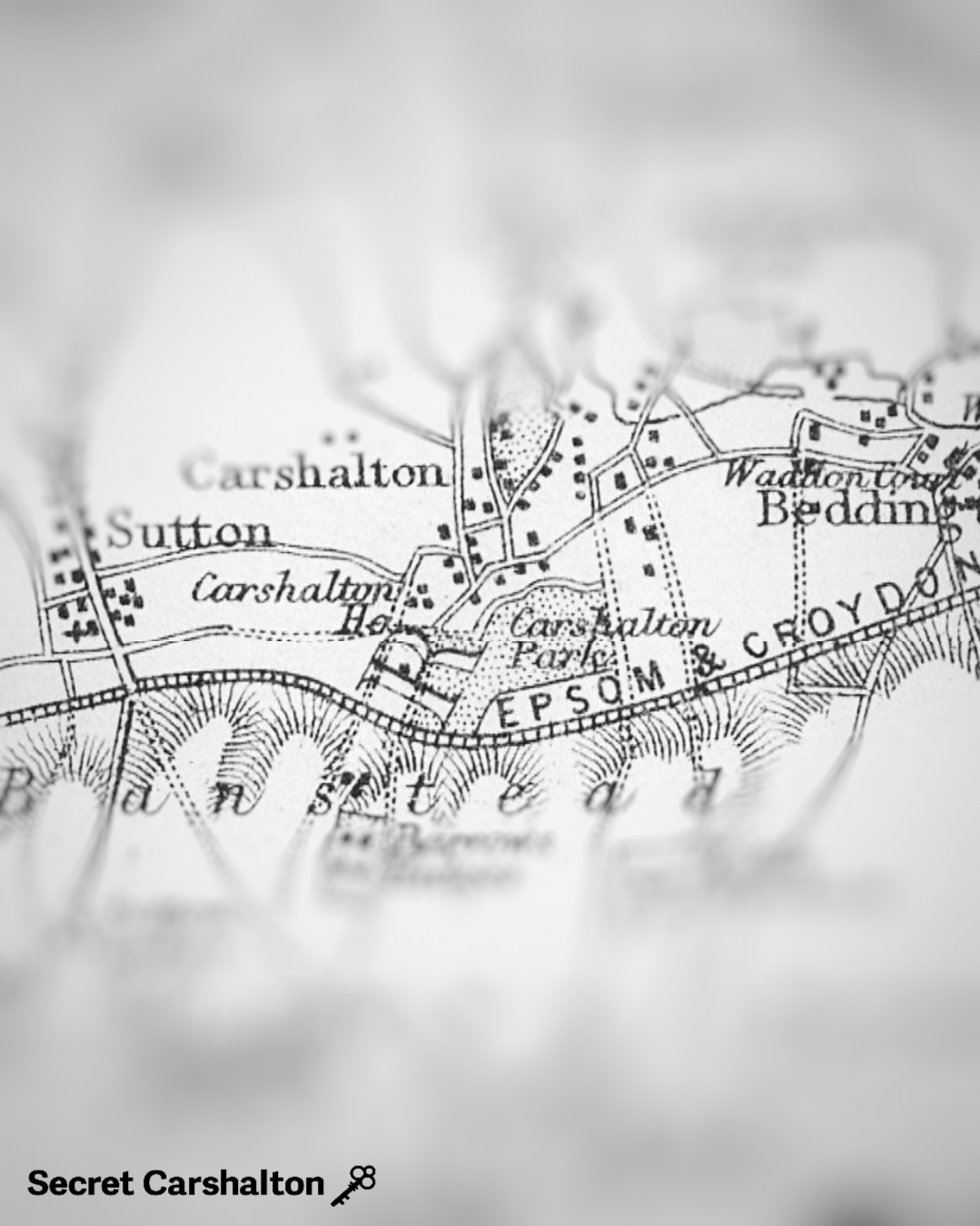
The bank Overend, Gurney & Co owned a lot of the land around North Street and the company invested heavily in the railway. For forty years previously it had been the greatest discounting house in the world. A discount house is a financial firm that buys and sells short-term debt.
Incidentally, its director Sam Gurney (b1786 – d1856) lived at Culvers House in Hackbridge, now demolished.
It’s possible the location of Station Road was created with a station in mind, and perhaps the land where the station ended up being had not been purchased.
1866 – Investor goes bankrupt
The bank Overend, Gurney & Co. faced financial difficulties, which, amongst other things, were due to heavy investment in the railway, and went bankrupt. However, the Carshalton branch line on the Sutton and Mole Valley Railway was nearly complete.
1866/7 – Station Approach is ready
Station Road is in situ but unnamed, and the plot of land for Carshalton Station has already been created by investors and the slope formed. A house has been demolished on West Street to give access. The station is in an ideal location, situated between two through roads – West Street and North Street.
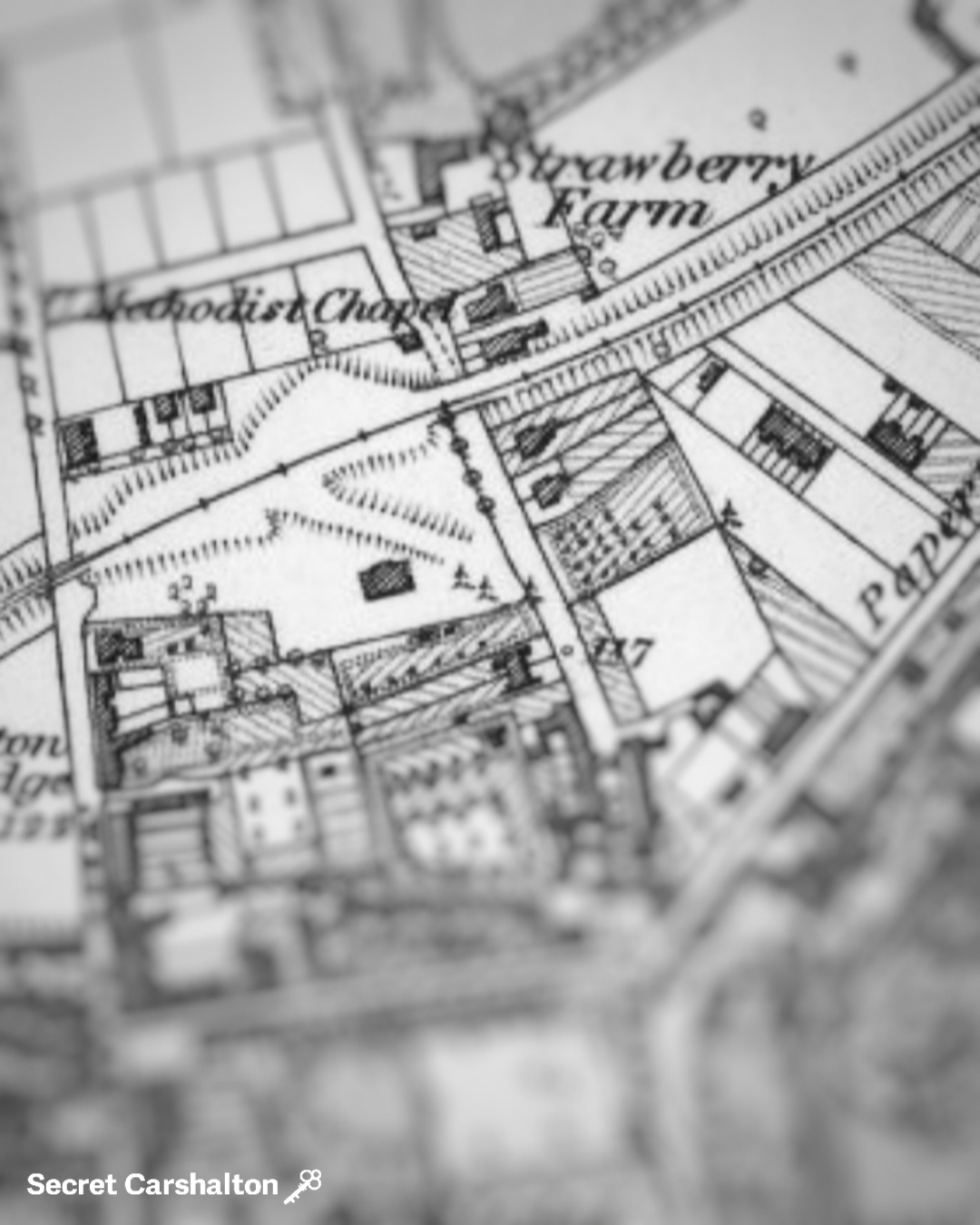
There is clearly no sign of, or room for, a station on the nearby, currently unmarked Station Road. There would have been no need or financial purpose to build here when the rest of the land was already developed.
Perhaps there was an option to build a station here before final decisions were made, but we’ll probably never know. It’s a narrow road, not quite so well connected by road, and very little room was left given how homes were already being built.
The land was gradually sold off to help pay banking debts. So it’s thought a more modest station was planned initially.
1868 – The railway is complete
By this year, the single-track railway, as it was then, is complete and ready to go, and the station slope is created in tandem with the whole project.
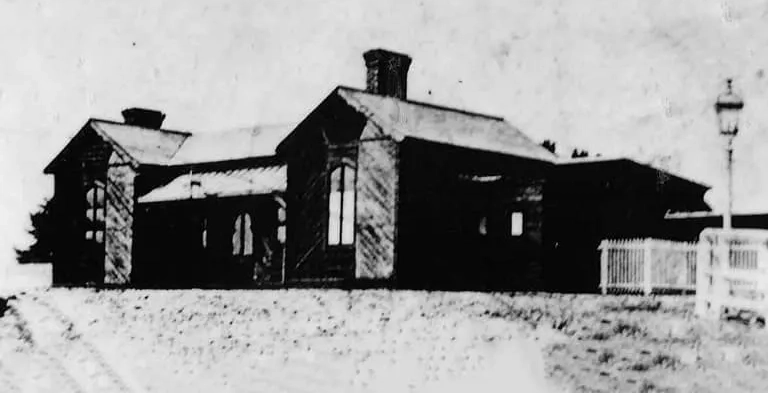
What looks like a wooden-fronted building goes up, though as yet unmarked on the map. The chimneys and roofline match the later image below, which clearly places this building where the current station is.
1880 – Another view of the station
Another view of what looks like the wooden station pictured above, with brick chimneys and a tiled roof. I have doubted this is Carshalton, but you can see the curve of the line matches what is there today when you look at platform photos. You can also see how the chimneys match the oldest photo we know of, taken from the front (above). Read more here

1890 – Making money at last
Over time, the fortunes of the railway had greatly improved. The Financial Times in 1890 reported the line had “the highest return on investment, with the best prospect of future appreciation and the smallest risk of retrogression”. Just over 10 years later, the station we use today was built.
1898 – Station Road is named
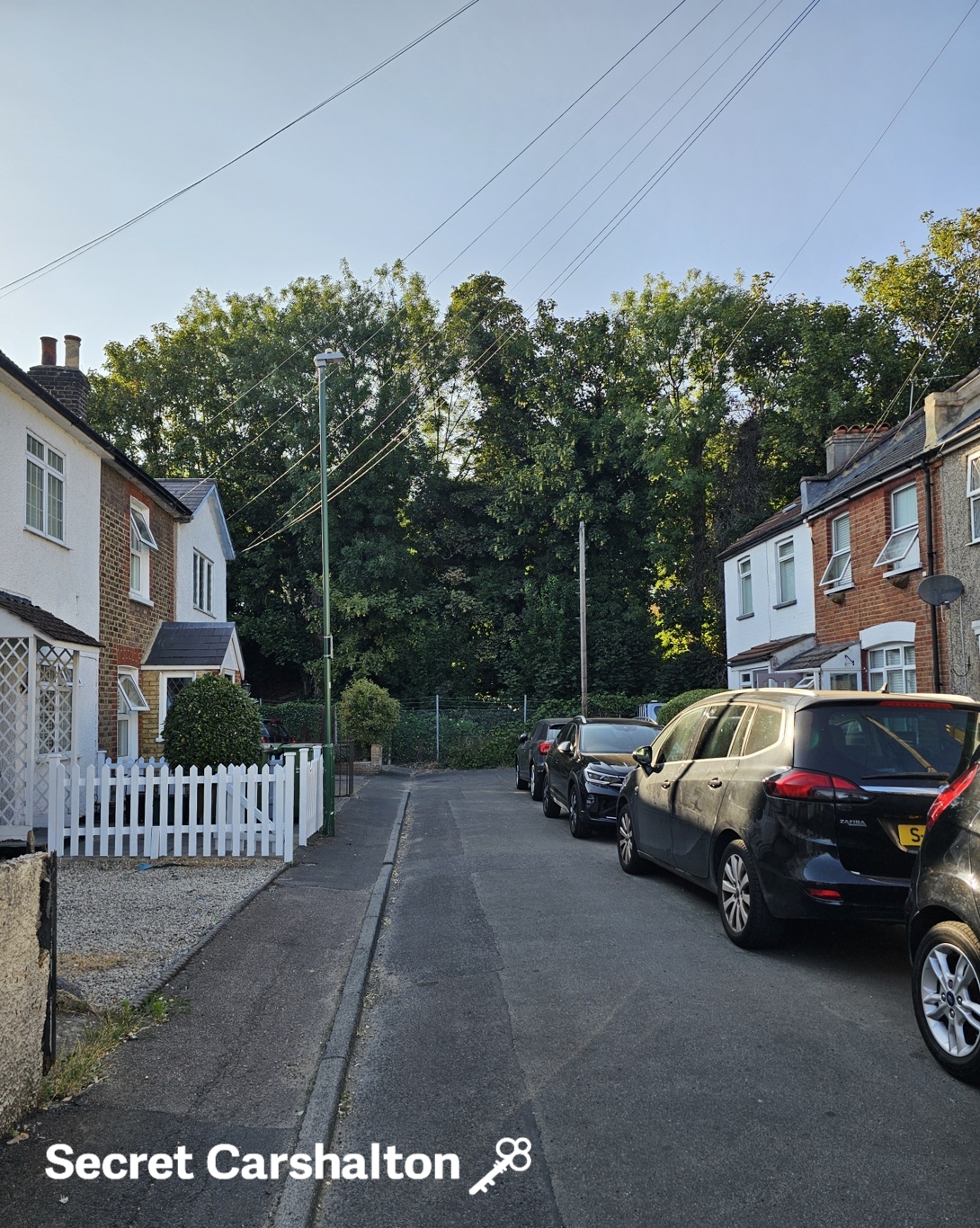
The station buildings are marked, as is the name Station Road. It is lined with cottages. Some say the station master lived down this road.
Currently there’s no evidence it was purely for railway workers, though, as we know for a fact that one worker lived in West Street, which was nearer to the station. Read more here.
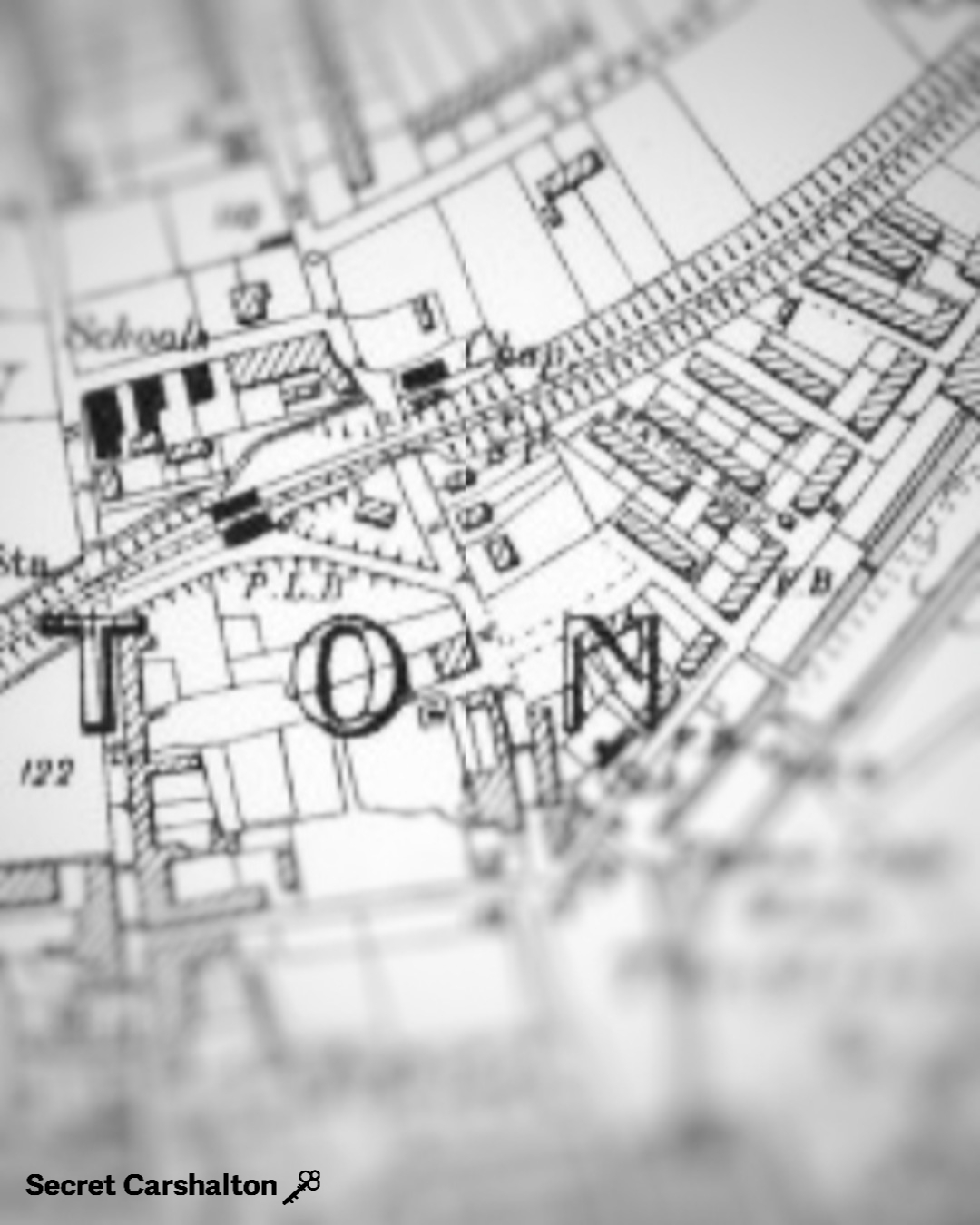
It’s likely the name Station Road was used as a marketing tool. It suggested modernity, and being connected to the railway would look good to potential buyers and property developers to whom the plots would be sold – especially given the success of the line and its proximity to it.
1902 – Current station built
Carshalton station is rebuilt again on a far grander scale. The area is on the up thanks to the railway.
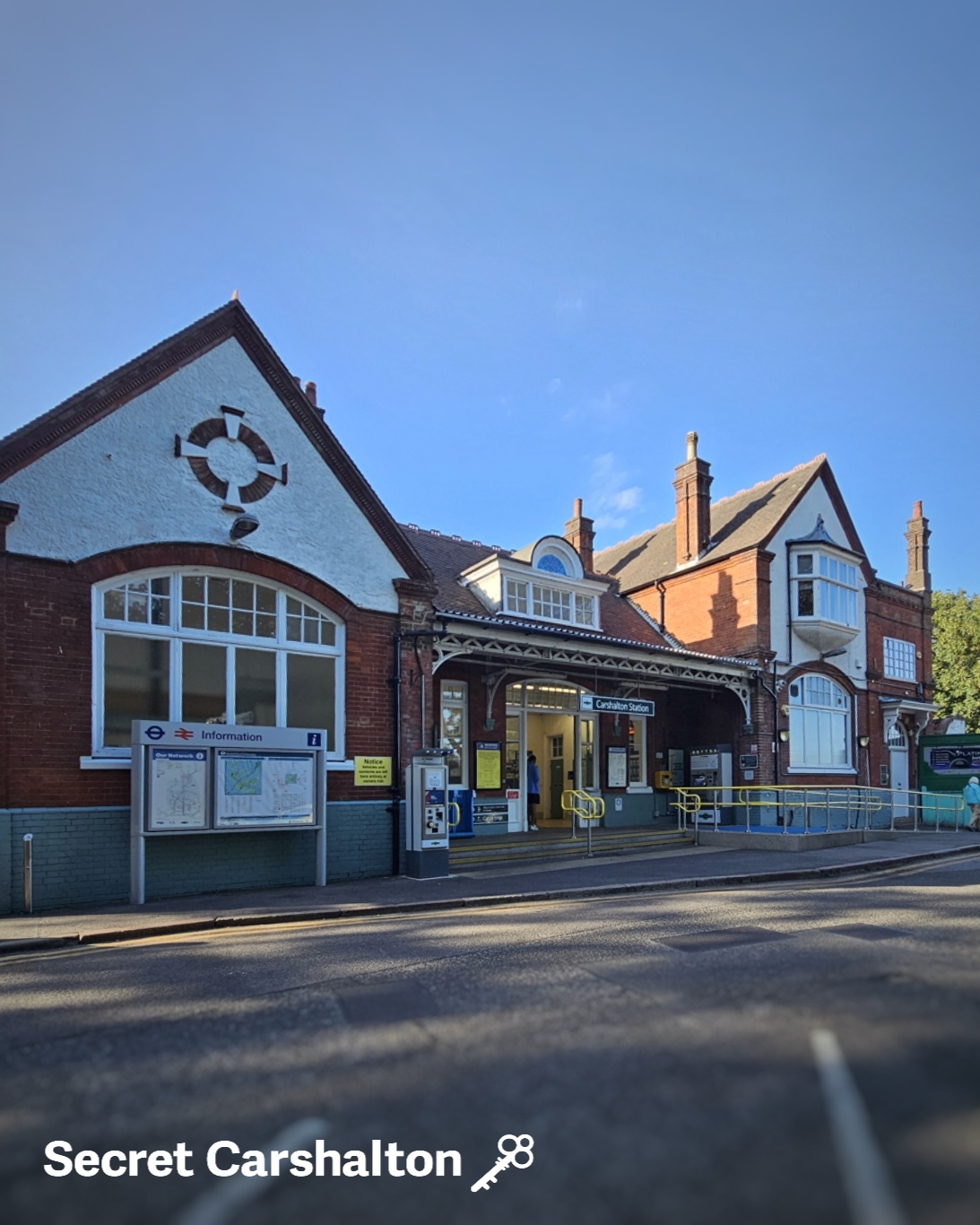
So, having looked at these maps, dates and historical context, it seems that Station Road never had a station, access, or necessarily planned with any direct connection. The track is slightly lower at this point, so perhaps it was used as an access point for workers, though no evidence exists.
More local train stories can be found here
This is written and researched to the best of our knowledge. We reserve the right to update this story as new information comes to light. Please leave thoughts and comments below, as far more people will see your feedback here than on social media, as this story is shared far and wide.




As usual, great research and well written. Many thanks.
Glad to hear you enjoyed the post and thanks for taking the time to leave a comment