

Who was Paper Jack? A well-educated son of a prosperous London businessman, he worked as a surveyor and helped to map a portion of the Brighton Railways. During the war, he was employed by the War Office decoding Secret Service documents.
He married Ellen Miriam Brandon in 1917. They lived together on Brighton Road in Croydon. The relationship was not meant to be, and the pair divorced in 1924.
After the divorce, Mr Preece sold the home and decided he wanted to lead a different life — on the streets. He had just one coat and one pair of trousers to his name, and a very old battered top that was gradually replaced with an assortment of paper until he became fully clothed in paper.
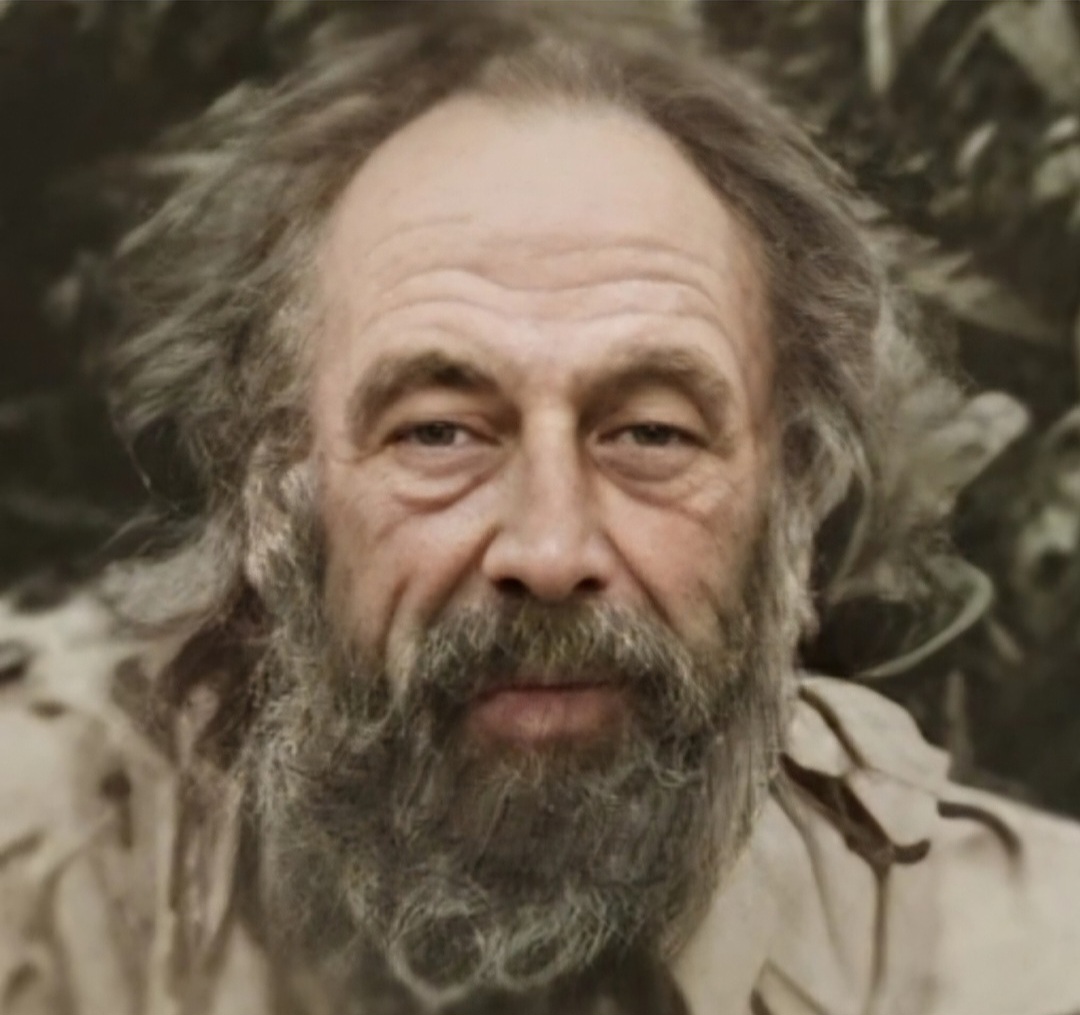
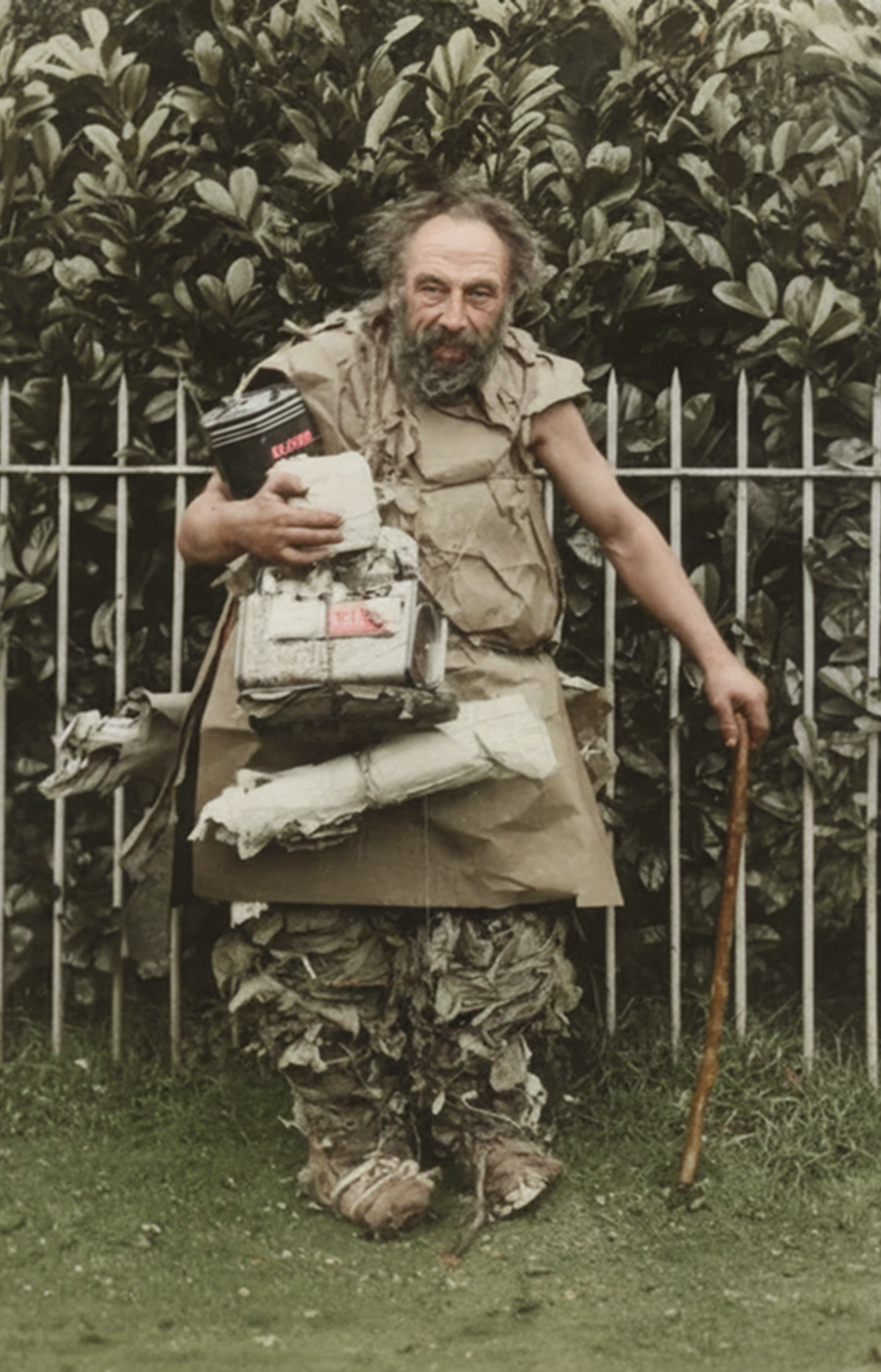
He always left his arms bare, even in winter, and he made footwear from an old car-tyre inner tube. You could hear him coming because of the noise he made.
No one had any fear of him; he was treated like a friend, especially by the children who loved him and gathered in groups to listen to his storytelling. He would also help them with their homework.
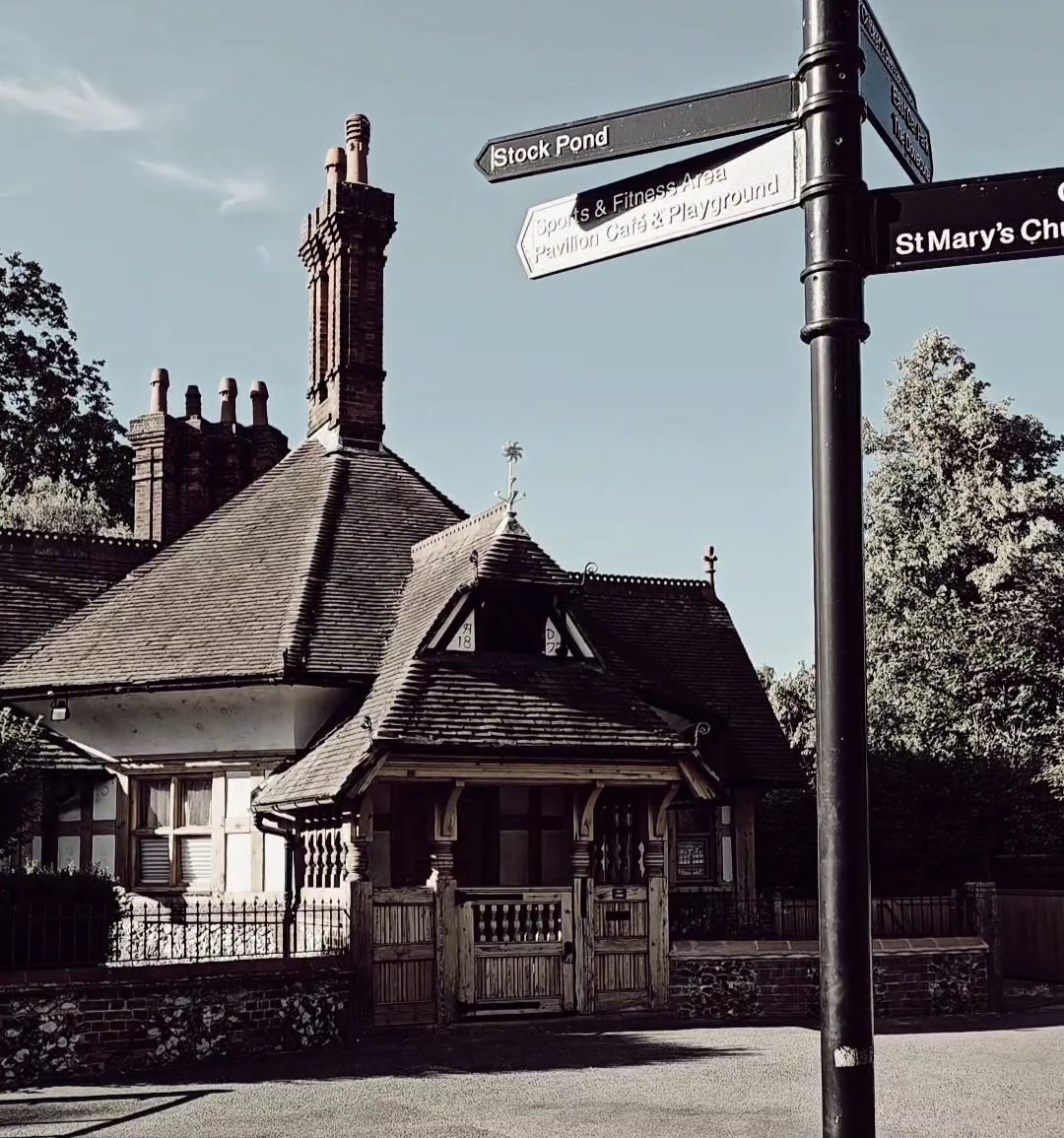
One mother used to give him her Daily Mirror newspapers so he could have clean clothes. Mrs E. Jones said, “As a child I lived in the Lodge, Church Road, Beddington. Paper Jack would on occasions be sitting under a tree outside the Lodge (he never came to the door). My mother would take out a jug of tea and some food. He spoke in a soft, cultured voice.”
One man on his way to work would offer Jack money, but when he did Jack would reply:
“Sir, I am far richer than you can ever hope to be.
“I don’t envy anyone in the world.
“I’m warm because my heart and lungs work as nature intended them to.
“I’m happy because I believe in God and not in gold. I never get any letters or bills, I never look at a clock, and I sleep when I feel like it, under the stars.”
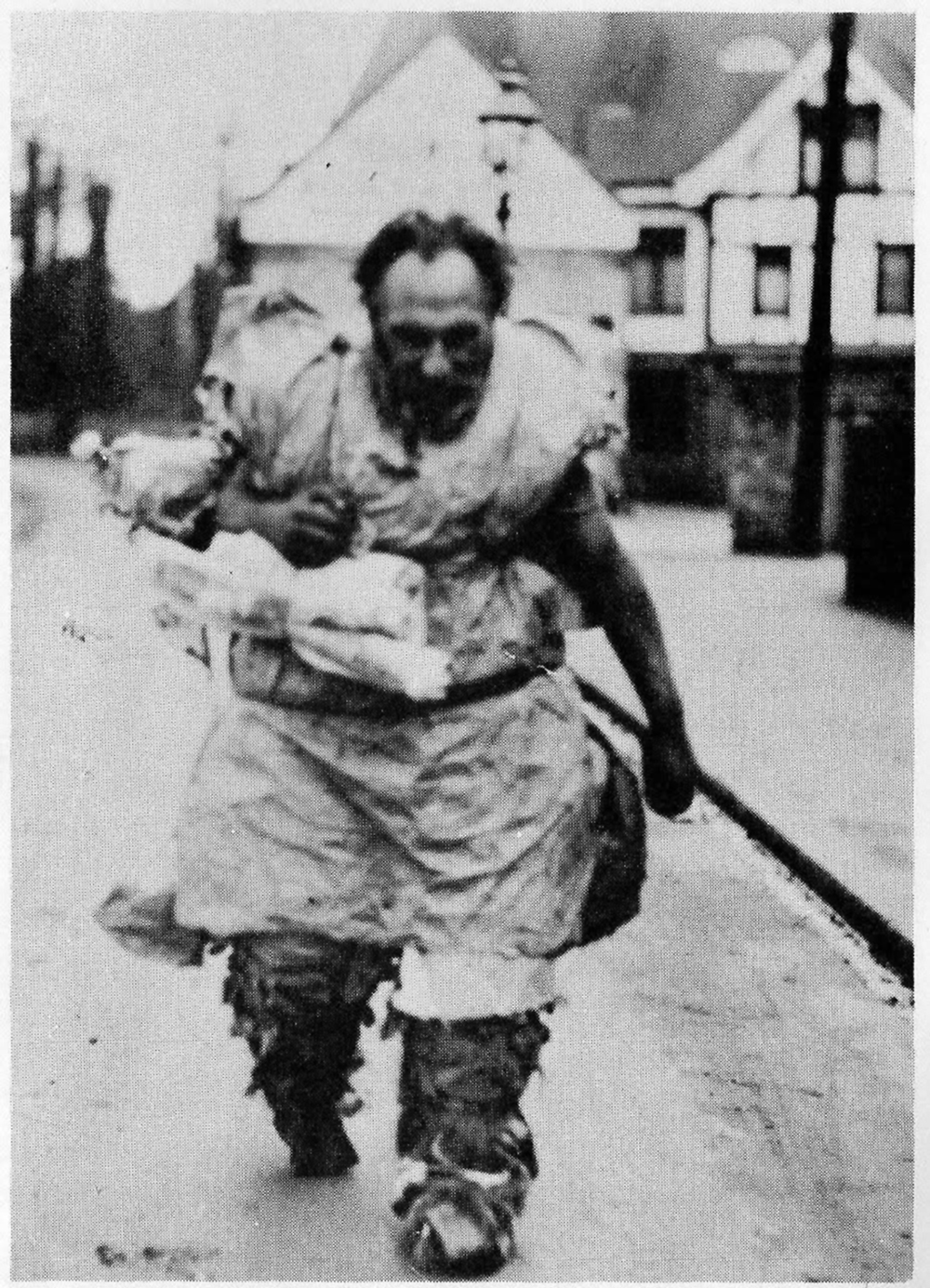
He was cultured, gentle and well-mannered, with a Christ-like appearance in a rough sort of way. He never begged, but local people welcomed him with a jug of tea.
On 30 January 1935, he was crossing Benson Road in Waddon one poorly lit evening when he was struck and killed by a car. He was 59 years old — all he had on him was the paper he was wrapped in.
Arthur Ellis Preece visited the coroner and said he believed the dead man was his brother, whom he had not seen for 15 years.
Following his death, there was an inquest, and his funeral took place on 7 February 1935 at Streatham Park Cemetery, amid much family secrecy. There were only two family members at the ceremony. A sad end to an intriguing life.
I admire Paper Jack because he lived life how he wanted to live. He probably felt more free and more loved than he did earlier in his lifetime. In a way, he had the freedom of Croydon, and he was such a well-known and popular character — very friendly and approachable. He decided he would live his life on his own terms. He wasn’t controlled by time, he didn’t have to worry about bills, and he didn’t have to answer to anyone. He had a massive impact on Croydon, and his memory still lives on today. It’s so sad that his life ended the way it did.
As told by Dean Fidler, who runs a Facebook group called Eccentric London. Main image: Croydon Advertiser/Museum of Croydon. Paper Jack (Alfred Ellis Preece Jr) of Croydon. Born 1876, Holloway, Islington (though his place of birth is sometimes contested). Died 1935, Waddon.



Came across this copy of a newspaper article