

We’ve been scratching below the surface of Carshalton’s gruesome past – and uncovered potential black plague victims in the grounds of St Philomena’s and the existence of Great Plague burials at All Saints.
The Great Plague of 1665
The well-known local historian George Brightling provided details in his 19th century book. Inside there is an excerpt from the records of All Saints, the local parish church.
In the parish register, it simply states “1665, Nine persons are recorded to have died of the plague.” Details of the exact burial location has likely been lost.
The plague of 1665 had a devastating impact across London. It was thought to have wiped out nearly a quarter of the population.
London’s richer inhabitants may have escaped to Carshalton, bringing the infection with them.

“Plague usually resulted in death, normally within a week of the first symptoms. The first few days though were without symptom and someone fleeing the dead could be a good carrier.”
So although Carshalton was a rural area, like much of England, it turns out we didn’t escape.
Unmarked graves attributed to the Black Death
But what of the Black Death which started in June 1348? Records from the 14th century are scarce, and victims were often buried outside consecrated ground in hastily dug pits. It’s much harder to find any evidence.
One such site may have been near the top of Pound Street.

St Philomena’s School now stands on what was once a grand private house. In the 1700s, when the owner built a new driveway to his mansion, “several skeletons were discovered.”

Sadly, no further records survive to explain who they were or why they were buried there. These kind of mass graves are often attributed to disease outbreaks. Several Surrey villages have manorial records which show half their population was wiped out.
The Black Death was a bubonic plague pandemic carried by fleas which were transferred to humans through contact with rats.
Another intriguing find at St Philomena’s came much later
This discovery happened in the 1970s, when a single skeleton was uncovered nearby. It was thought at the time to be a Black Death victim and reportedly taken away for testing — but fifty years on, no further information has ever surfaced. So the mystery remains.
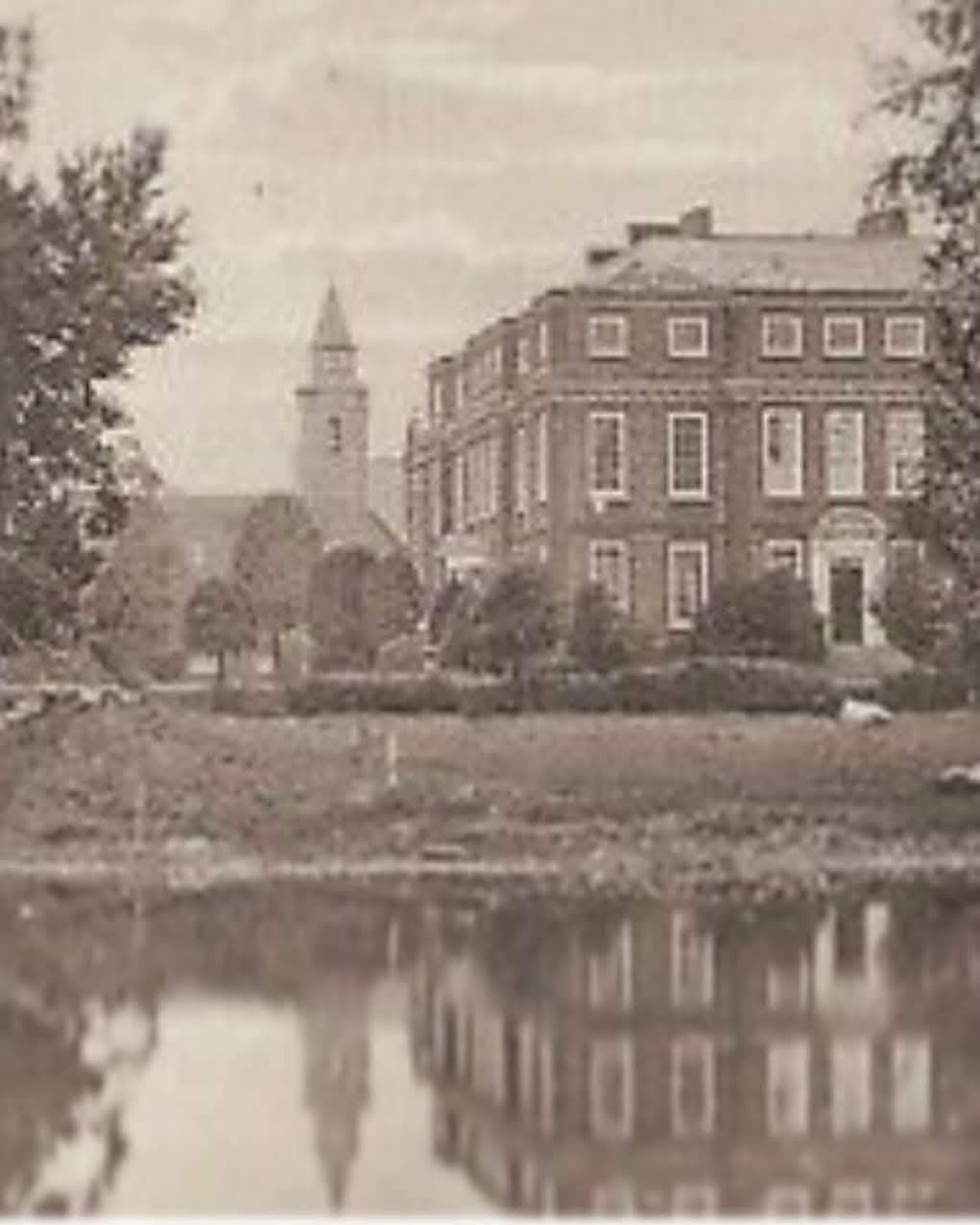
While the truth may never be fully known, Carshalton’s past is laced with clues and whispers from these tragic times. Beneath its quiet green spaces and ancient lanes, stories of life and death from centuries ago still lie hidden — a reminder that even in the most suburban of places, history is never far beneath our feet
© Words and research by Secret Carshalton
Is the infamous ‘Grey Lady’ the ghost of a skeleton found buried under a tree?




Very interesting